

Article
Get a free 30 day Stage Portal trial Get a free 30 day Stage Portal trial Access Now

Get exclusive resources, gig management tips, and tools straight to your inbox.
Are you
If you’re still running your venue in a spreadsheet, there’s a good chance you’re quietly carrying more risk and stress than you should be.
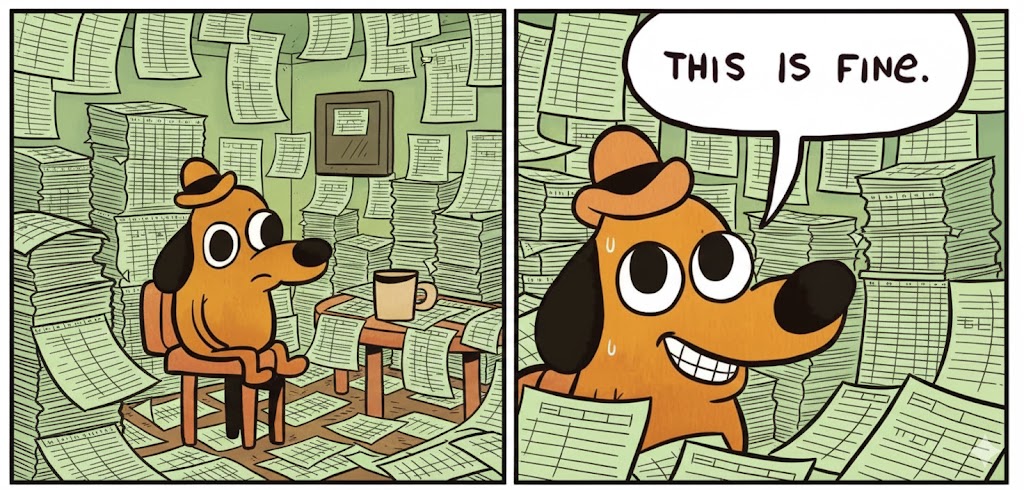
On the surface, spreadsheets feel safe. They’re familiar. They’re cheap. They’ve probably “worked” up to now. But behind the scenes, they’re often the reason confusion happens, details get missed, and one person ends up firefighting on show day.
I’ve spent years running venues, festivals, and live events, and I’ve seen this pattern play out over and over again. One person in the team (usually a spreadsheet guru) builds and enters all of the information, only then becoming the bottleneck of all information. This article is for venue managers, bookers, and event coordinators who feel like scheduling gigs shouldn’t be this hard, but aren’t sure what a better option really looks like.
By the end, you’ll understand exactly why spreadsheets start holding venues back, what problems they create as your calendar fills up, and what a modern approach to gig scheduling actually changes.
Most venues don’t choose spreadsheets because they’re ideal. They choose them because they’re there, or it’s what you’ve always used.
When you’re starting out or running a small programme, a spreadsheet feels like a quick win. You can see dates, artist names, and maybe a few notes. It feels organised enough.
The issue is that spreadsheets were never designed for live events. They don’t understand bookings, holds, confirmations, crew, or the constant changes that come with gigs. As soon as your venue starts running multiple shows a week, cracks appear.
Spreadsheets only show data. They don’t manage it.
They don’t notify anyone when something changes. They don’t stop two people editing the same information differently. They don’t show who needs access to what. And they definitely don’t help when information needs to be shared with artists, crew, or external partners.
Soon spreadsheets become massive, with formulas, lookups, conditional formatting building up and what starts as “just admin” quickly turns into missed messages, outdated versions, and assumptions that lead to mistakes.
And when you begin to include multiple users often data can be overwritten and often found out too late. This added to the complexity of having to add and remove peoples access it all quickly becomes very time consuming.
Double bookings rarely happen because someone is careless. They happen because spreadsheets don’t handle reality well.
Dates get pencilled in as tentative. Holds sit there without context. Someone forgets to update a cell. Another person changes it and forgets to mention it and suddenly, two artists think they’re booked for the same night. This has happened so many times and without an audit trail, wires get crossed, or someone casually mentions “oh yeah, I put that one in”.
When this happens, the cost isn’t just embarrassment. It damages trust with artists and can impact future bookings.
As your calendar fills up, the spreadsheet becomes harder to manage. More tabs appear. More columns get added. More people need access.
At that point, scheduling stops being a single task and becomes a web of dependencies. Bookings affect crew availability. Artist confirmations affect marketing timelines. Equipment bookings depend on show details.
Spreadsheets can’t connect those dots. They rely on people to remember them.
The biggest cost of spreadsheets isn’t financial. It’s time.
Time spent cross-checking dates. Time spent answering the same questions. Time spent fixing mistakes that shouldn’t have happened in the first place.
For small teams, this matters. When one or two people are responsible for everything, every extra hour of admin pulls focus away from improving the show itself.
Spreadsheets rarely exist alone. They sit alongside inboxes, calendars, messaging apps, and shared drives.
That’s when information fragments. A booking update lives in an email. A backline change is mentioned in a WhatsApp message. The spreadsheet only shows half the story. Often spreadsheets result in more spreadsheets as sensitive information like budgets will sit in separate sheets to the ones with the scheduling. Forget to update something and the band is having to relay information again to the crew on the day of the gig, leading to frustration that could have been avoided.
When scheduling isn’t centralised, no one ever feels fully confident they’re looking at the complete picture.
In most venues, one person becomes the human safety net.
They know which bookings are confirmed. They remember which dates are sensitive. They hold the context that the spreadsheet can’t show. If they’re off sick or unavailable, everything crashes.
This creates burnout and risk. It also makes it harder to scale operations or bring new staff into the process. That one person who is the center point of the venue feels like they can never switch off because they are always receiving phone calls, messages or emails asking for information.
Spreadsheet problems don’t stay in the office. They show up on stage.
Late confirmations affect artist planning. Crew get information too late to prepare properly. Soundchecks are spent firefighting. Stress creeps in.
The quality of the show suffers, even when everyone is doing their best.
Artists notice this. Crew notice it. And it influences who wants to work with your venue again. Too many times I’ve been running sound check where we have been delayed because a certain backline item requirement wasn't communicated, so we spend an hour sorting that, which pushes back the setup for the whole event. And everyone involved gets annoyed.
There’s usually a tipping point. For most the complexity begins creeping in, even if you don’t see it at first when you start to run multiple events, or gigs where there are more than two people involved. That’s when “good enough” stops being enough.
If your spreadsheet takes more effort to maintain than it saves, it’s already holding you back.
A modern venue system understands events. It’s built for the industry.
It knows the difference between a hold and a confirmed booking. It links dates to artists, crew, equipment, and notes. It updates everyone from a single source of truth.
Instead of managing cells, you manage shows. We have built Stage Portal to work for the industry from the ground up, so from when you start managing your first gig with one artist to when you organise a festival with 100 it scales with you every step of the way.
When information lives in one system, communication improves naturally.
Everyone sees the same information. Updates don’t need to be repeated across platforms. Crew know where to look. Artists get clearer confirmations. The risk of someone being the bottleneck goes away and if someone is sick, you can easily add in someone to cover and they have all the information instantly.
This isn’t about adding more tools. It’s about removing noise.
This is a common concern. Many venues assume proper systems are only for large organisations. And they have to stick to the spreadsheets.
In reality, smaller venues often see the biggest benefit. Time saved per show adds up quickly. Fewer mistakes mean fewer last-minute costs. Stage Portal is priced so it is accessible for small venues.
The question isn’t whether you can afford to move away from spreadsheets. It’s whether you can afford not to.
If you’re considering a change, look for tools that are built for live events, not generic project management.
You want something that handles bookings, advancement, crew, equipment and integrates with the rest of your show logistics. It should reduce work, not add to it. The goal isn’t complexity. It’s clarity.
A better system should make scheduling feel lighter. Fewer questions. Fewer assumptions. Fewer last-minute surprises.
That’s what modern event management is about.
If organisation is shaky, everything else feels harder.
Clear, centralised information and plans create calmer teams, better communication, and stronger shows. It gives venues the confidence to grow without chaos.
If you’re ready to move beyond spreadsheets and see what a purpose-built venue management system looks like in practice, start a free 30-day trial or book a demo to walk through how it works for real venues like yours.
Better scheduling doesn’t just save time. It changes how your venue operates, right now.
Discover the latest insights.