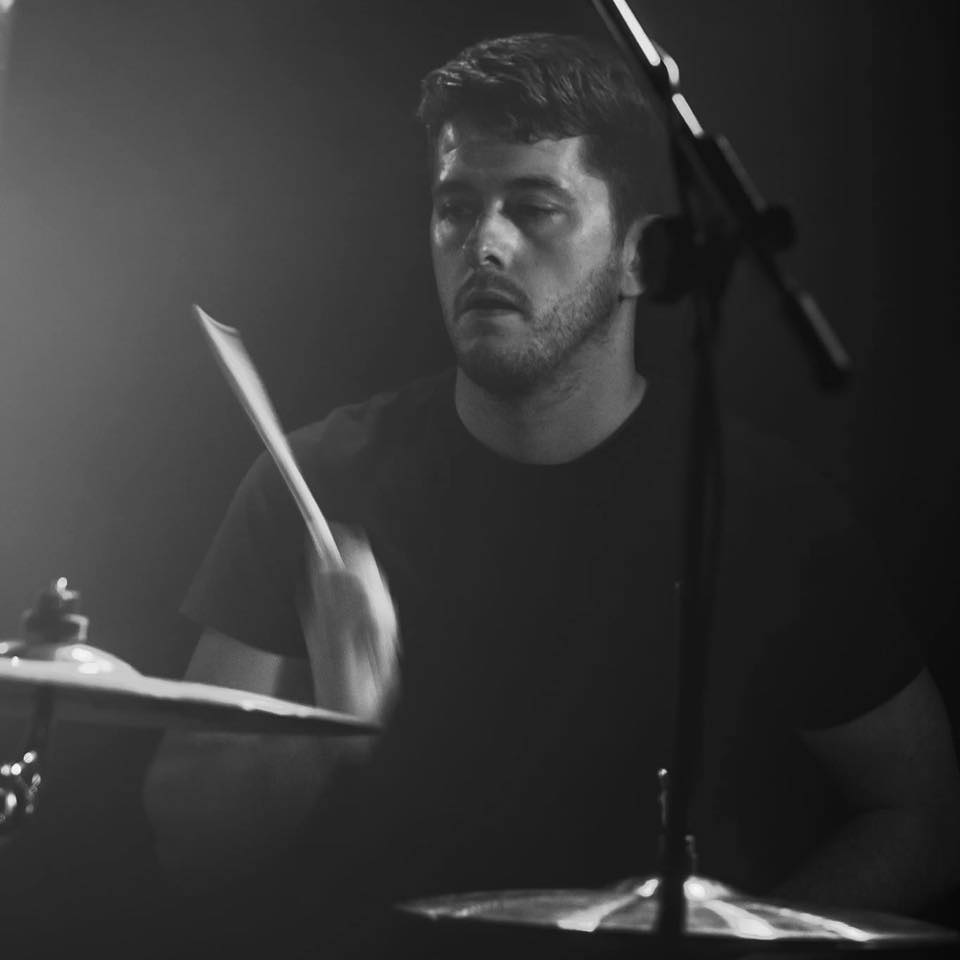
When everything runs perfectly on show night, nobody notices. That is usually because someone spent weeks making sure it would.
Key Takeaways
The audience sees an hour of music. What they do not see is the weeks of work beforehand, the advancing, the rider chasing, the crew briefing, the equipment confirmation, that made the hour possible.
Every role in grassroots live music carries a version of the same invisible workload. The band, the venue, the sound engineer, the tour manager, the lighting operator, all of them are managing information before they manage anything else.
When something goes wrong at a show, the root cause is almost always an information problem that was unresolved before doors opened, not something that went wrong on the night.
The best shows feel effortless. That feeling is a product of preparation, not talent alone. Organisation is what allows performance to happen at its best.
The gap between a chaotic show day and a smooth one is usually not ability or resources. It is whether the right information reached the right people before they needed it.
There is a version of a gig that the audience sees. Doors open. The lights go down. The band walks on. For the next hour, something happens in that room that does not happen anywhere else, the feeling of being in the same place at the same moment as the music, with a crowd of people who wanted to be there as much as you did. Then there is the version nobody sees.
The rider that was chased three times before it arrived. The stage plot that described the wrong lineup and had to be corrected at load-in. The sound engineer who turned up not knowing what they were walking into and spent the first hour working it out under pressure. The venue manager who spent Friday afternoon relaying information that should have been in one place weeks ago. The band manager who found out the set time had changed when they were already in the van.
Every successful gig has both versions. The one the audience remembers and the one that made it possible. This article is about the second one.
The Iceberg
Grassroots live music is an iceberg. The audience sees the performance. The show that is polished enough to feel effortless, the band that knows exactly what they are doing on stage, the venue that runs so smoothly nobody has to think about the logistics.
What they do not see is everything underneath. The weeks of correspondence before a booking is confirmed. The rider sent, ignored, chased, and eventually received a version out of date by six months. The crew member who showed up knowing only the name of the act. The person at the venue who held all the information in their head because there was no system for putting it anywhere else. The band manager who spent the afternoon of the show sorting something that should have been sorted two weeks ago.
When everything runs perfectly, nobody notices. That is usually because someone spent weeks making sure it would.
We have been on every side of this. As musicians in bands. As a sound engineer and a lighting engineer. As a venue co-owner. As festival organisers. And the pattern is consistent from every angle: the quality of a show night is almost always determined by what happened in the days and weeks before it.
What Actually Happens Before a Show
A typical grassroots show, a three-band night at a 200-cap venue, involves the following work before a single note is played. This is the version that happens when it is being done properly.
When
What is happening
Who is doing it
6 to 8 weeks out
Booking confirmed. Deal terms agreed in writing. First advance message sent to venue.
Band manager / tour manager
4 to 6 weeks out
Rider, stage plot, and input list requested and sent. Hospitality requirements confirmed.
Band manager / artist
3 to 4 weeks out
Venue confirms technical requirements can be met. Any equipment gaps identified.
Venue production contact
2 to 3 weeks out
Support acts confirmed. Running order agreed. Promotion underway. Guest list process confirmed.
Venue booker / band manager
1 week out
Confirmed show-day schedule sent to all parties. Crew briefed with rider and stage plot.
Venue / band manager
48 to 72 hours out
Guest lists collected and submitted. Final confirmations made. Any outstanding items chased.
Band manager / venue
Show day
Morning
Venue setup begins. PA rigged and tested. Stage laid out to the stage plot.
Venue crew / sound engineer
Load-in
Band arrives. Equipment in. Stage positions confirmed against the plot. Line check.
All parties
Soundcheck
Full soundcheck. Monitor mixes dialled. Any technical issues resolved before doors.
Sound engineer / band
Doors
Front of house open. Guest list checked. Crew in position. Programme begins.
Venue team
Show
The hour the audience sees.
Everyone
After show
Settlement. Load-out. Notes for next time.
Band manager / venue
That is the version that runs smoothly. When any of those steps is missing, delayed, or done with the wrong information, the consequences almost always appear on show day, which is the worst possible time to resolve them.
Five Perspectives on the Same Night
The same show looks different depending on which side of it you are on. Here is what the hidden work actually looks like from five roles that have all been involved in making a grassroots gig happen.
The band For most grassroots bands, the weeks before a show involve more admin than music. The rider that needs updating and sending. The stage plot that is two lineup changes out of date. The bank details for the settlement that nobody has in writing. The set list that keeps changing because the new song is not quite ready. The van hire, the parking at the venue, the guest list that grew beyond the allocation.
None of this is difficult in isolation. Together, across a schedule of shows alongside day jobs and rehearsals and everything else, it is the thing that exhausts bands and makes gigging feel like a second job rather than the reason they started playing music in the first place.
From the Musician
"The best shows we ever played were the ones where everything was sorted before we left the house. The rider was in. The stage plot was current. We knew the set times. We could focus entirely on the performance because there was nothing to firefight. The difference in how those shows felt on stage was significant. Not because the music was better. Because the mental space was there to do it properly."
SP
Ben Wratten, Co-Founder, Stage Portal
The venue A grassroots venue running weekly shows has a programme of information to manage that most people outside the industry would find surprising. For every show: a booking to confirm, an artist to advance, a rider to receive and check, a crew to assign and brief, a schedule to build, a guest list to manage, a settlement to calculate.
Most grassroots venues do this with one or two people, often alongside the bar, the marketing, the maintenance, and everything else that comes with running a room. The information that needs to be collected and distributed for every show has to fit inside that reality.
The venues that do it well have a system. Not a complicated one. Just one place where show information lives, accessible to everyone who needs it, so the person who holds the programme together does not become the bottleneck for every question from every artist, every crew member, and every support act on the bill.
From the Venue
"When I co-owned the venue, the most stressful version of show day was the one where information had not moved properly in the weeks before it. The sound engineer arriving without a rider. The artist calling with set time questions at three in the afternoon. The support act who had not been told about the load-in entrance. Every one of those was a problem that had a simple solution, if the information had been in the right place at the right time. It almost never was, because there was no system for it. Just one person who knew everything, who had to be available at all times."
SP
Ben Wratten, Co-Founder, Stage Portal
The sound engineer A freelance sound engineer working across multiple venues on a typical week is arriving at different rooms, with different equipment, for different acts, often knowing very little about what they are walking into until they get there.
The ideal scenario: the rider arrived a week ago, the stage plot is accurate, the input list matches the actual lineup, and the engineer has had time to think about the setup before load-in. That scenario is the exception rather than the rule at grassroots level.
The standard scenario: the engineer arrives, asks what the band needs, gets a verbal rundown while trying to set up, and spends the first forty minutes of show day building a picture that should already exist. The time cost is real. The pressure lands on the engineer, on the band, and eventually on the show itself.
From the Sound Engineer
"You learn to work with what you have. But there is a clear difference between shows where the information was there before I arrived and shows where I was finding it out at load-in. The rider, the input list, an accurate stage plot, these are not just paperwork. They are the difference between having time to make a show sound excellent and having time to make it sound acceptable. Most engineers have strong preferences about which kind of show they want to work."
SP
Dave Wratten, Co-Founder, Stage Portal
The band manager For a self-managing band or an independent manager looking after one or two acts, the administrative overhead of a gig calendar is rarely discussed and consistently underestimated.
Every booking generates a chain of tasks: advance the show, chase the rider, confirm the set times, sort the guest list, track the expenses, make sure the settlement lands. Across a programme of shows, this becomes a significant amount of work that has nothing to do with music and everything to do with information management.
The band managers who handle this well, who keep things moving, who make sure no show is a surprise to anyone, have almost always built a system around it. Not necessarily a sophisticated one. Just a consistent one.
The festival organiser At festival scale, the hidden work multiplies across every act on the bill simultaneously. A single missing rider from one act does not just affect that act. It affects the stage manager's setup time, which affects the act before them, which affects the running order, which affects the audience.
The advancing process for a multi-stage festival is one of the most logistically complex tasks in grassroots live music. Dozens of riders, stage plots, and input lists. Dozens of show-day schedules to confirm. Dozens of sets of hospitality requirements, guest list allocations, and settlement terms. All of it needs to be current, accurate, and in the hands of the people who need it, before a single act arrives on site.
Why It Always Comes Back to Information
When something goes wrong at a show, and something always does, somewhere, the root cause is almost always the same.
The right information did not reach the right person at the right time. Not because anyone was careless. Not because the team was not good enough. Because there was no system for it. The information existed. It was in someone's inbox, in a WhatsApp thread, in a spreadsheet that only one person could find. And it did not get to where it needed to be, when it needed to be there.
We have seen this from every angle of grassroots live music. As the band waiting for confirmation. As the engineer arriving without a rider. As the venue manager fielding questions about information that was sent weeks ago and never reached the right person. As the festival organiser managing forty riders across three stages simultaneously.
The problem is not people. It is structure. And the gap between a chaotic show day and a smooth one is almost always not ability or resources. It is whether the information moved properly before the show.
What a Well-Run Show Actually Looks Like
When a show is well-prepared, it feels different from both sides. From the stage, there is a kind of calm that comes from knowing everything is sorted. The rider is in. The stage plot is right. The set times are confirmed. The set list is ready. There is nothing to firefight. The performance can just be the performance.
From the venue side, a well-advanced show means the crew arrive knowing what the night requires. The engineer has the rider. The stage manager has the plot. The door has the guest list. The manager can spend show day managing the programme rather than chasing information.
The audience does not know any of this. They should not have to. The whole point of the hidden work is that it makes the visible work, the performance, the experience, the reason everyone is there, as good as it can be.
International Artist. Local battles of the bands. A first headline slot at a 200-cap venue. The scale is different. The principle is identical. The best shows feel effortless because someone made sure they would.
One Place for the Hidden Work
Built for Shows Running on Small Teams
Try Stage Portal free for 30 days.
Stage Portal keeps all the pre-show information in one place, riders, stage plots, schedules, crew briefs, guest lists, expenses. For bands, venues, tour managers, and event organisers who want the hidden work to stay hidden because it has been done properly. Free 30-day trial, no credit card required.
Want the latest guides, insights, news and updates?
Cookie Settings
We use cookies to improve your experience
We use strictly necessary cookies to keep the site running.
With your permission we'd also like to use others to help us to improve your experience by providing insights into how the site is being used
Strictly Necessary
Required for the site to function. Cannot be disabled.
Analytics
Analytical cookies help us to improve our website by collecting and reporting information on its usage.
Marketing
We use marketing cookies to help us improve the relevancy of advertising campaigns you receive.